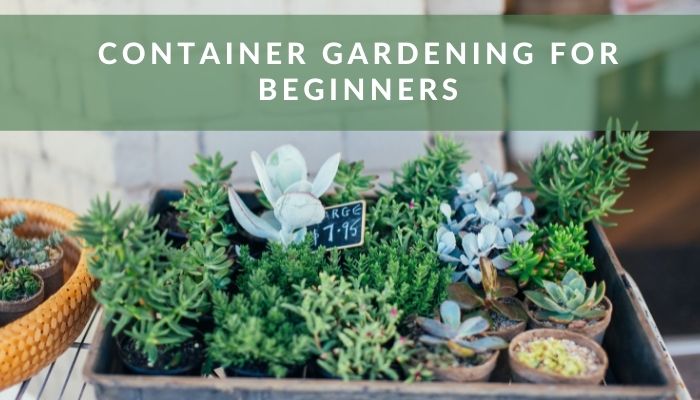
Gardening is one of the most popular past-times, especially these days. Gardening saw a significant boom in attention over the past couple of years, thanks to global events.
Learning how to garden can be a bit intimidating, but it will be a rewarding venture. Container gardening is one of the most approachable options for new gardeners. It requires less space and usually is less expensive to get going. Best of all – the possibilities are limitless. One can easily grow flowers, herbs, vegetables, or any combination thereof in their new potted gardens.
As with any new hobby, there are certain things that one should learn before diving right in. Even knowing a minimal amount of information can help a person increase their odds of having a successful garden.
Location, Location, Location

Container gardens are far more convenient than traditional gardens, but they come with an additional concern or two. For starters, plants that are in pots are generally more exposed than those in the ground. This means that they are more vulnerable to extreme temperatures. Keep this in mind when considering location options for your new potted garden.
The average plant needs a fair amount of sunlight to be happy and healthy. For example, vegetables and herbs will need at least six hours a day, so choosing a nice sunny location is critical.
For accessibility purposes, it is also a good idea to consider the watering situation before choosing the final location for potted plants. Is your preferred site easily accessed? Can you comfortably carry a watering can to that area?
Required Materials

Now it is time to talk about the required materials that go into creating a container garden. One is going to need a collection of pots – any array that one finds aesthetically pleasing. However, when purchasing pots, it is essential to search for ones that have proper drainage holes. This will help prevent problems later.
The soil requirements can vary from plant to plant, so checking on specifications before diving in is helpful. However, most plants do prefer high-quality potting soil. While it may seem like a reasonable option, never use soil dug up from the yard. Dirt collected from yards and gardens can bring many problems, including chemicals and pests, and is best avoided if possible.
Other materials include tools necessary for gardening: a watering can (or hose), sheers, and spades/shovels. Gardening gloves are always helpful as well. Pick the tools that feel most comfortable for you. Having a little tote to carry all of these supplies is not required, but it can be helpful.
Finally, you’re going to need fertilizer and either plants or seeds. A balanced and organic fertilizer is always the best choice, especially if you’re growing herbs or vegetables. Liquid seaweed is a favorite among experienced gardeners.
The fun part begins when it comes time to pick out the plants for your container garden. If you’re working with existing containers, make sure to choose plants that meet those sizing requirements. You don’t want to smother your new plants! Don’t forget to consider the depth of the pot as well, as that is a factor for the root systems.
Setting Up The Garden

Setting up a container garden can be more than buying several plants and popping them into their new homes. Again, now is the time to read up on a plant’s requirements before repotting. Ensure that the pot is both wide and deep enough, that it has the proper soil type, and that your location should get the right about of sun.
Once all of that is set, it’s time to begin planting. First, make sure that the soil is nice and damp; this step will give your plant the best start possible. Next, you’ll want to dig the hole for your plant – make sure not to dig too wide or deep. Finally, it is time to carefully transfer your plant into its new home.
If your plants were raised indoors or in a greenhouse, give them a chance to acclimate before moving them outdoors into their proper home. You can quickly acclimate plants by bringing them outside for short stints of time, increasing the amount each day until they are sturdy enough to stay out full-time.
Plant Care

Ironically, most first-time container gardeners worry too much about keeping their plants watered. While ensuring proper water levels is critical, many people overcompensate, resulting in too much water for their plants.
Believe it or not, it is possible to drown a plant. Having a pot with drainage holes in combination with high drainage soil will help mitigate a lot of this, thankfully. If this is a concern for you, going with a porous pot, such as one made out of terracotta, will further help. Finally, these days there are even self-watering pots available, though consider your plant’s needs before choosing this option.
As a general rule, if you’re unsure if a plant needs water, stick your finger in the soil. If the soil feels damp, it likely doesn’t need watering, and you can wait a day or two. Just remember to keep checking on the plant.
Remember, as with all plants, keeping them neat is beneficial to their health. Remove any dead leaves, and ensure that no other plants (from neighboring pots) are encroaching on the area. Part of keeping your plants healthy means feeding them – fertilizer, that is. The frequency of fertilizing will be slightly dependent on the fertilizer you choose. Be sure to read the instructions, as some fertilizers can burn plant roots if used too frequently. On average, gardeners will fertilize their plants at least three times a season, if not more.
Further Advice

For more advice on starting up and maintaining a container garden, reach out to local experts. Alternatively, find an online group to chat with, or try attending one of GetSetUp’s many gardening courses.
 Liz Wyatt
Leave a comment